Transparent Background PNG – Free
A transparent background PNG is a photo with its background removed and saved as a PNG, so the background is see-through instead of white. Upload a photo here and download exactly that: a transparent PNG, free, unlimited, no watermark, up to 1024 pixels on the longest side.
Processed in your browser — your photo is never uploaded.
Free local removal is unlimited — no watermark, up to 1024 px on the longest side. · Sign in
Drop a photo or click to upload
JPG, PNG or WebP · up to 10 MB
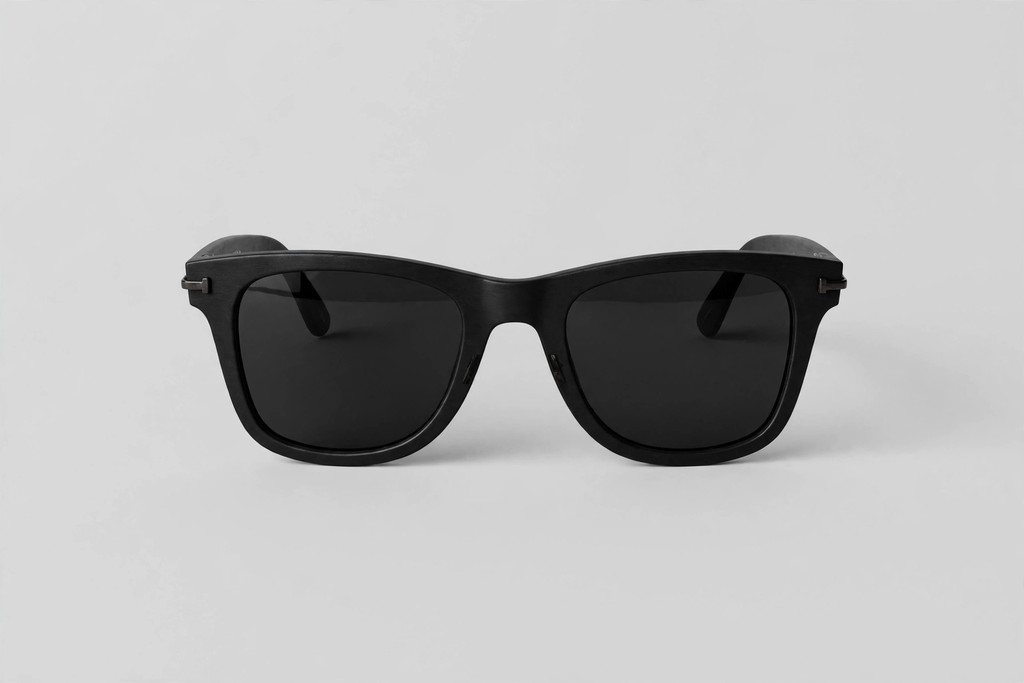
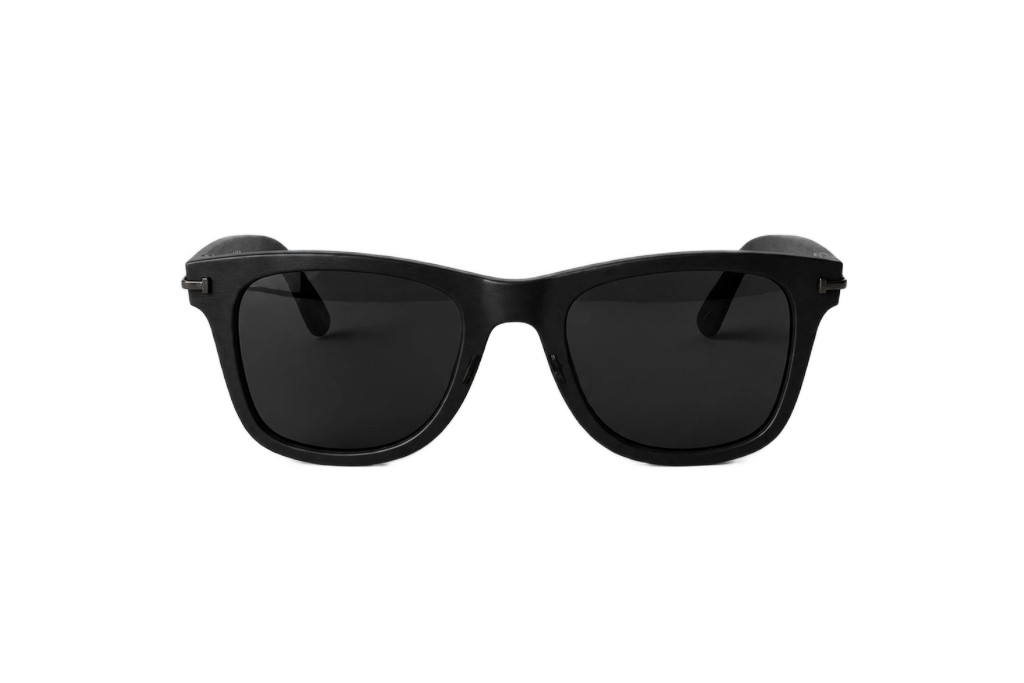
What is a transparent background PNG?
PNG is the format that stores transparency: every pixel has an alpha value, and the background pixels are fully transparent instead of white. That is why a transparent background PNG blends into any design — a website, a slide, a thumbnail — while a JPG of the same photo always shows a white box.
The PNG you download here is a real cut-out, not a white background painted over. The subject keeps its shape and soft edges, and the file opens with transparency in any editor or browser.
How to get a transparent background PNG
Upload the photo in the tool above — drag it in, pick a file, or paste with Ctrl+V. JPG, PNG and WebP all work, up to 10 MB.
The background is removed in your browser by an on-device model. Your photo is never uploaded. The first time, the model downloads once and is then cached.
Preview the cut-out on the checkerboard — that pattern means transparent — then download the PNG. Free downloads have no watermark and are limited to 1024 pixels on the longest side.
Need the original size? Cloud HD removal keeps the full resolution at 1 credit per image. Signing in gives you 10 free cloud HD removals a month.
Three examples that work well
A product photo for an online store: the product is cut out and saved as a transparent PNG, so the same file works on the listing page, in a sale banner and on social media without re-editing.
A logo for a website header: a transparent PNG logo sits cleanly on a light header and a dark footer. One file, no white box, no second version.
A portrait for a presentation: the speaker is cut out and placed on the slide background. The photo blends into the slide instead of sitting inside a white rectangle.
Transparent PNG vs JPG: which one to use
The difference is one thing: PNG supports alpha transparency and JPG does not. A PNG stores a transparency value for every pixel, so the background can be see-through. A JPG stores only colour, so every pixel is solid — a photo saved as a JPG always has a background, even if the original cut-out was transparent.
You must use a transparent PNG when the image has to sit on top of another background: a logo on a coloured header, a product on a sale banner, a portrait on a slide, a sticker on a photo, or a watermark over an image. In all of these, a JPG would show a white box around the subject, because the JPG filled the transparent areas with white when it was saved.
JPG is enough when the image never needs transparency and file size matters: a photo for a page where it sits on white anyway, or a quick share where the background is part of the picture. If the background is already the one you want, saving as a JPG is fine — just remember that the transparency is gone for good once it is saved that way. When in doubt, keep the transparent PNG: you can always make a JPG from it later, but you cannot get transparency back from a JPG.
Common mistakes
Downloading a JPG by mistake: JPG cannot hold transparency, so the background comes back white. Always pick PNG (or WebP) for a transparent result.
Using a screenshot with a shadow or a gradient background: the model can mistake a soft shadow for part of the subject. A plain, contrasting background in the original photo gives the cleanest cut-out.
Upscaling the small free PNG for print: the free download is limited to 1024 pixels on the longest side. For print or large displays, use cloud HD removal at full resolution instead — 1 credit per image, and signing in gives you 10 free cloud HD credits every month.
Skipping the dark-background check: faint white fringes around the subject are invisible on white but show up clearly on dark colours, so preview the cut-out on a dark background before downloading. If you have a whole folder of photos, the bulk background remover processes up to 10 at a time in the cloud and downloads them as one ZIP with the folder structure kept — 1 credit per image, and the 10 free monthly cloud HD credits work for bulk too. The free tool also works on your phone: open the site in a mobile browser, upload from your camera roll, and download the PNG — no app to install, and the first model download is cached for next time.
Questions, answered
Why does my PNG still show a white background?
Most likely the file was saved as a JPG, which cannot hold transparency — the white is baked in. Download the PNG (or WebP) from KillBG instead; the file itself carries the transparency. If an app still shows white, it may not support transparency — try opening the file in an image editor to check.
What is the difference between a transparent PNG and a JPG?
A PNG stores an alpha value for every pixel, so the background can be see-through. A JPG stores only colour, so every pixel is solid. That is why a logo or product saved as a JPG always shows a white box when placed on another background.
Will a transparent PNG work in PowerPoint and Google Slides?
Yes. Both support PNG transparency, and so do Canva, Photoshop and Figma. Drop the PNG onto a slide and the background stays transparent — no white box.
Why is my transparent PNG file so large?
PNG stores transparency for every pixel, so it is bigger than a JPG of the same photo. If file size matters, download WebP instead — it keeps transparency at a much smaller size. For print or a master copy, keep the PNG.
Can I use a transparent PNG as a watermark or overlay?
Yes — that is one of its best uses. Place a transparent logo or cut-out over a photo or video and only the subject shows. Export it at the size you need; for a large overlay, use cloud HD removal to keep the full resolution.